Home › Cost Guides › How Much Does Tree Removal Cost in Australia? (2026 Guide)
How Much Does Tree Removal Cost in Australia? (2026 Guide)
Pricing reference year: 2026 (Australian market).
Complete guide to tree removal and tree lopping costs in Australia. Small, medium, and large tree pricing, stump grinding, council permits, and safety tips.
Overview
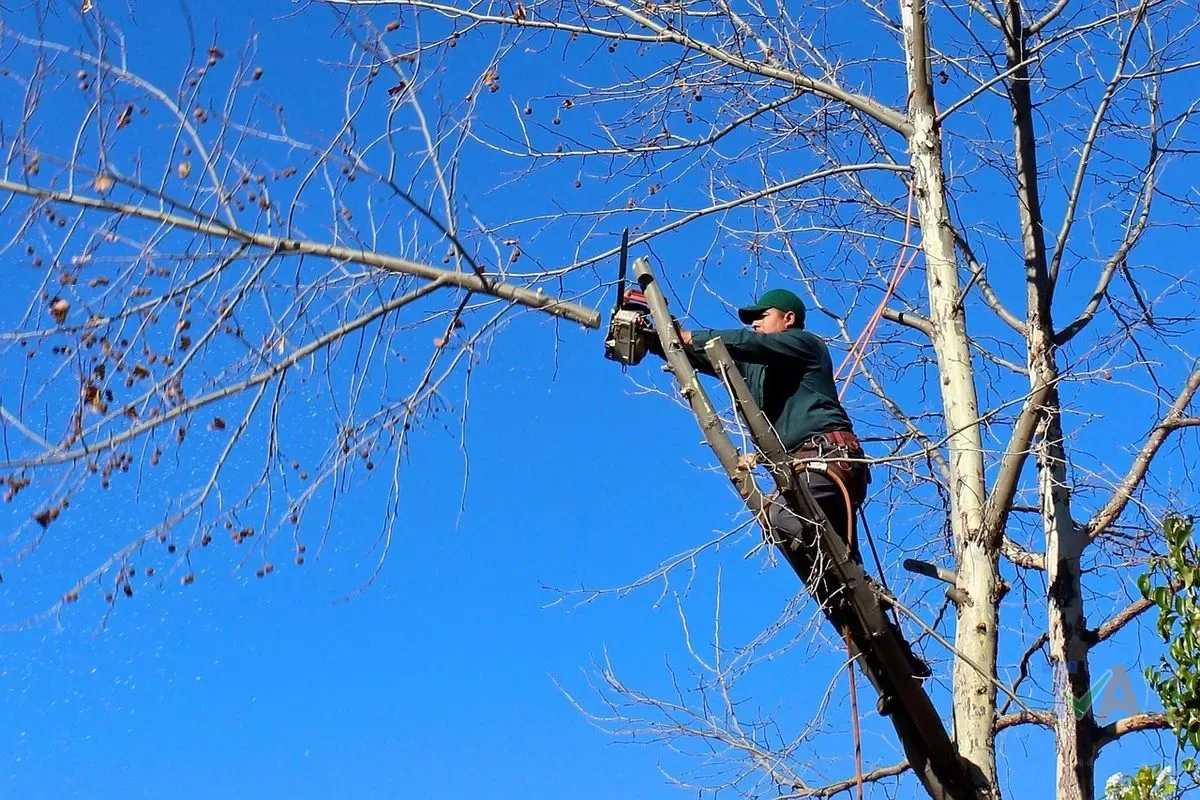
Tree removal costs depend heavily on the tree's size, location, species, and access. Removing a tree near power lines, buildings, or fences is significantly more expensive due to the specialised equipment and safety measures required. Most councils also require permits for removing trees above a certain size. This guide covers all costs and considerations for tree removal in Australia.
Tree Removal Costs by Size
| Size | Cost Range | Time |
|---|---|---|
| Small tree (under 5m) | $300-800 | 1-3 hours |
| Medium tree (5-10m) | $800-2,000 | Half day |
| Large tree (10-20m) | $2,000-5,000 | Full day |
| Very large tree (20m+) | $5,000-15,000+ | 1-3 days |
Additional Service Costs
| Service | Cost Range | Notes |
|---|---|---|
| Stump grinding | $100-500 per stump | Depends on stump diameter and root system |
| Stump removal (full) | $200-800 per stump | Complete extraction including roots |
| Branch lopping/pruning | $200-1,000 | Per tree, depends on size and access |
| Palm tree removal | $300-2,500 | Depends on height; dead fronds are hazardous |
| Green waste removal | $50-200 | Per trailer load; may be included |
| Council permit application | $50-300 | Required for many tree removals |
Factors Affecting Tree Removal Costs
- Tree height and canopy size — Larger trees require more equipment, crew, and time
- Proximity to structures — Trees near houses, fences, or power lines need careful sectional removal
- Access difficulty — Rear yard access, slopes, and narrow passages increase costs significantly
- Species and condition — Dead or diseased trees may be unpredictable and require extra safety measures
- Council requirements — Protected species or heritage-listed trees may require arborist reports
Council Permits and Protected Trees
Most Australian councils require a permit to remove trees above a certain size (typically over 3-5m tall or trunk diameter over 10-15cm). Fines for unauthorised removal can be significant — up to $1.1 million in some NSW councils. Always check with your local council before removing any tree. Protected species and trees in heritage conservation areas have additional restrictions.
Tips for Hiring a Tree Removal Service
- Get an on-site quote — Tree work cannot be accurately quoted from photos alone
- Check qualifications — Ensure they are a qualified arborist (AQF Level 3 or higher)
- Verify insurance — Tree work is high-risk — confirm they have public liability insurance ($10M+ recommended)
- Ask about cleanup — Confirm whether stump grinding, mulching, and green waste removal are included
- Check council requirements — The arborist should be able to advise on permit requirements for your council area
How Australian tradie pricing actually works
Most Australian tradies quote in one of three ways: an hourly rate, a fixed-price quote for a defined scope, or a callout fee plus time. Hourly rates are typical for small jobs and diagnostic work — expect the first hour to be billed in full even if the visit is shorter, because the rate covers travel, vehicle running costs and insurance, not just the time on site. Fixed-price quotes are the standard for larger projects: a renovation, a full installation or an emergency repair where the scope can be pinned down in advance. Callout fees cover the cost of getting a licensed tradie to your address with the right tools, and they apply whether the work goes ahead or not — so always confirm the callout fee before you book, especially for after-hours, weekend or public-holiday jobs where the rate can be 50–100% higher than the standard weekday rate.
What affects the price you pay
- Location and travel — metro suburbs are usually cheaper than regional and outer-fringe addresses because tradies spend less time on the road between jobs.
- Job complexity and access — second-storey work, tight roof cavities, asbestos risk and after-hours emergencies all attract loadings on top of the base rate.
- Materials and parts — branded fittings, premium finishes and same-day part orders cost more than mid-range equivalents your tradie can pick up at the trade desk.
- Permits, inspections and certificates — regulated work (electrical, gas, plumbing, structural) needs a compliance certificate, and the cost of preparing it is usually baked into the quote.
- Insurance and licensing — a licensed, insured Australian tradie is always going to charge more than an unlicensed one, and that difference protects you if something goes wrong.
How to compare quotes from licensed Australian tradies
Always get at least two written quotes before you book anything beyond a quick callout. A genuine quote will spell out the scope of work, the materials being used, the inclusions and exclusions, the callout or travel component, GST treatment and the payment terms. Check the licence number against the relevant state regulator (for example QBCC in Queensland, Service NSW, Service Victoria, Building Commission WA, CBOS in Tasmania) and confirm the ABN is current on the Australian Business Register. If a quote is dramatically lower than the others, ask what is missing — common gaps are make-good work, rubbish removal, scaffolding hire, and the compliance certificate at the end of the job.
Frequently asked questions
- Is a verbal quote legally binding in Australia?
- A verbal quote can form a contract under Australian Consumer Law, but it is almost always disputed because there is nothing to point at. Always insist on a written quote with the scope, price and inclusions in writing before any work starts.
- Should I pay a deposit before the job starts?
- Deposits are reasonable for jobs requiring custom-ordered materials, but most state fair-trading rules cap the deposit at 10% of the total for residential work and require progress payments to track actual progress. Never pay the full balance up front.
- What is the difference between a quote and an estimate?
- A quote is a firm fixed price for the scope described. An estimate is the tradie’s best guess and can move once the job opens up. Estimates are normal for diagnostic work and emergency repairs; quotes are the standard for everything else.
- How do I know the tradie I hire is properly licensed?
- Every TaskerAsker provider has been ABN-verified and, for regulated trades, licence-checked against the relevant state register. You can also confirm the licence directly with the state regulator using the licence number on the quote.
Related & nearby
- stats › average cost › tree removal › sydney
- All Australian tradie cost guides
- Free tradie cost calculators
- Home-services checklists
- Hiring a tradie — full checklist
- Tradie quote templates
- Find tradies by suburb & postcode
- Browse all service categories
- How TaskerAsker works
- Post your job free
Post your job free and verified, ABN-checked Australian tradies will send you competitive quotes — usually within a few hours.